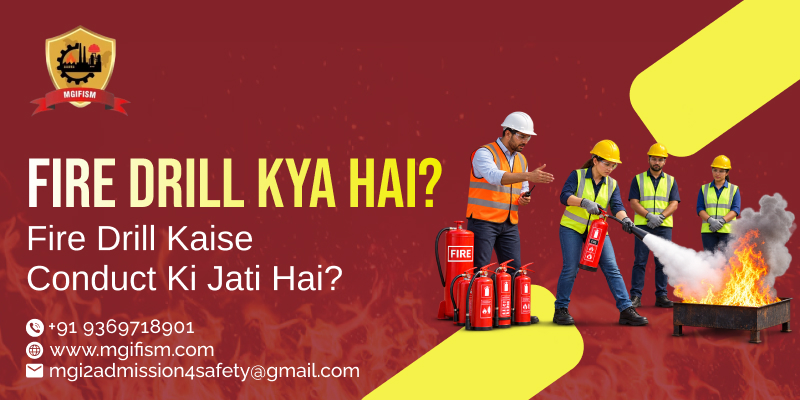
Fire Drill Kya Hai? Fire Drill Kaise Conduct Ki Jati Hai?
Post By : Rajani Verma
Post Date : 31 Oct 2026
What Is a Fire Drill? How Is It Conducted? Complete Guide
Fire accidents can happen at any point in time, especially in the workplace, factories, schools and business premises where there is a high concentration of people. Being aware of what to do in such circumstances will reduce the risk of accidents and save lives. A fire drill will equip one with skills on how to deal with such occurrences without panicking. It trains one on how to use escape routes and reach safe destinations. It is therefore very vital for workplace safety. In this article, we will discuss fire drill procedures.
What Is a Fire Drill?
A fire drill refers to a practice activity conducted to enable individuals to act effectively in case of a fire outbreak. In this exercise, individuals follow the emergency alarm, evacuate the building through designated exits, and assemble at the safety assembly area. A fire safety drill is conducted to equip everyone on how to react in case there is a fire outbreak. It also assists organizations in assessing the effectiveness of their evacuation plans, emergency alarms, and safety measures.
Why Is a Fire Drill Important for Workplace Safety?
There could be hundreds of people, machinery, electrical devices, and other materials in a work environment, which could pose risks of fires. In such cases, an emergency plan is of no use unless employees know how to utilize it. Fire evacuation drills ensure that people get practical experience on how to exit from the premises during fires. It will also help recognize issues like blocked exit routes, delayed evacuations, and lack of communication. Frequent fire drills will increase awareness among employees, minimize confusion, and help safety personnel know what to do during emergencies.
How Is a Fire Drill Conducted?
A fire drill needs to be carefully planned, with instruction and coordination of staff with the safety department. It should never be considered a mere exercise where people are simply asked to exit the building. Every step must be planned out to ensure that the practice is beneficial. A properly planned fire drill will test people's reaction time, the safety of evacuation routes, and whether everybody has made it to the assembly point. The steps below highlight how an organisation can conduct an effective fire drill.
Prepare a Fire Emergency Evacuation Plan
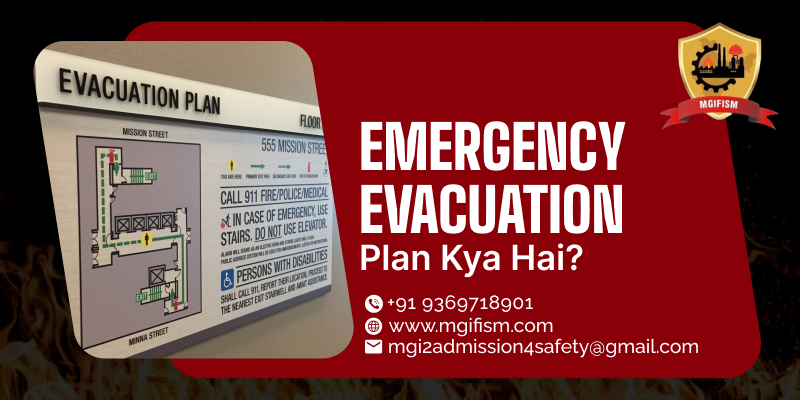
The first thing that needs to be done is that one needs to develop a proper evacuation plan. One needs to mark all emergency exits, stairs and escape routes as well as the meeting points. One also needs to have plans for evacuation for any visitors, disabled people as well as for employees who might need some help. Fire evacuation plans need to be posted at easily accessible places.
Decide the Fire Drill Date and Time
Choose an appropriate date and time to carry out the drill. Alert the safety team and management, making sure that the employees are aware of the basic safety procedures. This exercise will be carried out in various sections of work and shifts if necessary. This planning of the fire drill schedule will help organizations to assess their readiness without causing any undue disruption.
Assign Duties to Fire Wardens and Safety Teams
Every organization needs to allocate roles for the fire wardens and safety team members. While some would direct the employees to the exit points, others would inspect the rooms and aid those needing assistance. Before the exercise starts, the members of the safety team need to be aware of their roles. It is important that the fire warden roles are well known to everyone.
Check Fire Alarms and Emergency Communication Systems
Before initiating the exercise, test the fire alarm systems, emergency lights, public address systems, and communication systems to ensure they function correctly. The exit signs should also be clearly visible. Let the concerned individuals know about this test prior to conducting the test of the alarm systems so that no panic is caused due to this exercise.
Activate the Fire Alarm to Start the Drill
When everything is in order, turn on the alarm system that has been chosen for this exercise to signify its commencement. The staff members will be aware of the alarm and will comply with the instructions given by the safety team, stop what they are doing and head to the nearest exit point.
Evacuate the Building Through Safe Exit Routes
Employees are supposed to use the nearest fire exit in an orderly manner. Employees are not supposed to panic and should make sure the fire escape is free from obstructions. The lifts are not to be used in any fire evacuation exercises. Emergency evacuation procedures should be practised so employees know the right routes to take.
Gather Everyone at the Emergency Assembly Point
Once they are out of the building, the employees and any other persons should move towards the assembly point. This must be somewhere far from the building and from any sources of fire danger. No one should re-enter until he/she is authorised to do so. The emergency assembly point enables the safety team to coordinate people and determine whether everyone has left the building.
Conduct a Headcount and Check for Missing Persons
After the people have congregated at the meeting point, headcounts need to be made by the team leaders and fire wardens. This can be done using the records of employees attending the fire drill, details of visitors and the lists prepared department-wise. Should anyone be missing, let the emergency response team know about this immediately. Do not allow any untrained employee to enter the building.
Record the Total Evacuation Time
Evacuation times taken by the participants must be documented by the safety team from the time they exit the building till the time they reach the assembly point. Delays and problems experienced in the process must be noted. It is important not only to finish the drill within a limited amount of time but to evacuate everyone safely.
Review the Drill and Identify Areas for Improvement
Upon the completion of the drill, hold a debriefing session involving fire wardens, staff members, and safety officers. Talk about any problems, like blocked exit points, delayed reactions, lack of communication and problems encountered by the staff. Develop an improvement strategy and delegate duties to rectify these problems. Fire drill evaluation can help in enhancing emergency plans.
What Safety Precautions Should Be Followed During a Fire Drill?
Following safety measures while participating in the drill is necessary since the drill itself must make you ready for emergencies without putting yourself in danger. Everybody needs to know the basics before exiting the building. Here are some fire drill safety tips that will keep you well-behaved.
- Stay Calm and Do Not Panic
- Do Not Take the Elevator
- Observe the Exit Signs
- Stay Low If There Is Smoke
- Get to the Meeting Place
- Listen to the Fire Warden instructions
What Are the Roles and Responsibilities During a Fire Drill?
In order to make fire drills successful, teamwork is necessary. Everyone within the premises is involved in conducting the fire drill process. Proper fire drill responsibilities will ensure no confusion arises during the process and that the required activities will be conducted.
- Fire Safety Officer: Conducts the fire drill and supervises the safety arrangements and activities.
- Fire Wardens: Direct employees to escape through the exit points, supervise the designated areas and keep the order.
- Employees: Act on the alarm sound, evacuate through designated routes and report to the designated area.
- Emergency Response Team: Communicate during emergencies and conduct the designated activities.
- Management: Ensures proper arrangement and resources are provided for.
How to Conduct a Fire Drill in Different Types of Buildings?
Each building has its own design and potential risk factors when it comes to fire safety. Some buildings such as factories have heavy machinery while some such as hospitals have people that are not able to move about on their own. Fire evacuation plans should therefore be formulated based on the nature of the building.
|
Building Type
|
How to Conduct the Fire Drill
|
|
Offices
|
Guide employees through marked exits, check meeting rooms and conduct a department-wise headcount.
|
|
Factories
|
Practise evacuation from production areas and ensure workers stay away from machinery and hazardous materials.
|
|
Schools and Colleges
|
Train students and teachers to follow instructions, use safe exits and gather class-wise at assembly points.
|
|
Hospitals
|
Include arrangements for patients, medical staff, visitors and people who need mobility assistance.
|
|
Residential Buildings
|
Practise stairway evacuation, check common exits and guide residents towards a designated safe area.
|
How Often Should Fire Drills Be Conducted?
The frequency at which fire drills are to be conducted will be determined by the nature of the building in question, number of people and fire risks, among other things. Different types of buildings like offices, factories, schools, hospitals and residential buildings may have their own fire safety guidelines. Organisations are supposed to adhere to fire safety laws in their regions, fire NOC conditions and also emergency plan approval. Conducting fire drills on a regular basis helps workers know how to evacuate during fire emergencies.
How to Prepare a Fire Drill Evaluation Report?
The report of the drill will help organisations know if the drill met the objectives. The report must contain the significant findings, performance, and issues that arose during the process. The report for a well-conducted fire drill also aids in management decision-making on how best to improve before conducting another one.
- State when the drill was carried out and specify the building/department that underwent the process.
- Specify the number of people participating in the drill (employees, visitors, etc.).
- State the amount of time it took to evacuate.
- Note if the alarms, emergency lights, and evacuation routes functioned correctly.
- State the issues found, who will implement them, and by when.
Common Mistakes to Avoid During a Fire Drill
There are certain errors that might decrease the efficiency of the drill and make the participants unprepared for a real-life situation. It is important to pinpoint these problems and make corrections before conducting the next drill. The avoidance of fire drill mistakes will increase the safety and efficiency.
- Poor Planning
- Blocked Fire Exit
- Ignored Alarm Errors
- Inadequate Employee Training
- Unfinished Headcount
- No Drill Evaluation
Why Is Professional Fire Safety Training Important for Conducting Effective Fire Drills?
Professional training enables workers to be aware of fire hazards, procedures to follow during emergencies, and the proper use of safety equipment. Training allows fire wardens and safety officers to effectively manage the process of evacuation. Fire safety training allows individuals to get better acquainted with their roles in case of emergencies. MGIFISM is an institute for fire safety and it offers training courses to individuals who wish to gain knowledge and skills about fire safety. Guidance from trained professionals would enable organisations to create a better safety culture within them.
Conclusion
Fire drills are an important element in ensuring the safety of people in offices, factories, schools and other buildings. It helps individuals learn what they should do in case there is a fire emergency and how to evacuate themselves through proper escape routes. Training also enables an organisation to detect any weakness in its safety plans and act accordingly. Training about fire drills and proper preparation is extremely useful in case of emergencies. To get professional fire safety training and consultancy services, contact MGIFISM at +91-9369718901.
FAQs
Q. What is a fire drill?
A. A fire drill is a planned safety exercise that teaches people how to respond during a fire emergency, follow evacuation routes and reach a safe assembly point.
Q. Why is a fire drill important?
A. A fire drill prepares employees for emergencies, reduces panic, improves evacuation skills and helps organisations check whether their fire safety arrangements are working properly.
Q. How is a fire drill conducted?
A. A fire drill starts with an alarm, followed by safe evacuation, gathering at the assembly point, headcount and evaluation of the entire activity.
Q. How often should fire drills be conducted?
A. Fire drills should be conducted according to applicable fire safety rules, building requirements, Fire NOC conditions and workplace emergency plans.
Q. What is the difference between a fire drill and a mock drill?
A. A fire drill mainly focuses on practising fire evacuation, while a mock drill can cover different emergencies such as earthquakes, chemical leaks and other disasters.
Q. What should employees do during a fire drill?
A. Employees should stay calm, stop their work safely, follow emergency exit signs, avoid lifts and gather at the designated assembly point.
Q. What is the role of a fire warden during a fire drill?
A. A fire warden guides people towards safe exits, checks assigned areas, assists during evacuation and helps conduct headcounts at the assembly point.
Q. Why should lifts not be used during a fire drill?
A. Lifts may stop working or become unsafe during a fire emergency. Therefore, people should always use designated staircases and emergency exit routes.
Q. What should be included in a fire drill evaluation report?
A. The report should include the drill date, participant count, evacuation time, alarm performance, identified problems and corrective actions for improving safety.
Q. Where can I get professional fire safety training?
A. You can contact MGIFISM at +91-9369718901 for information about professional fire safety training and guidance on improving emergency preparedness.


 Request a Callback
 Call Us
 WhatsApp