Fire Safety Rules for Hospitals | Fire Safety Guidelines, Requirements and Checklist
Post By : Rajani Verma
Post Date : 21 Oct 2026
Fire Safety Rules for Hospitals: Guidelines, Requirements and Checklist
Proper fire safety measures should be implemented by hospitals in order to ensure the safety of both patients and the medical personnel working there. Patients might require help in case of emergency. The implementation of fire safety rules for hospitals will contribute towards mitigating risk factors. Firefighting equipment, staff training, inspection of electrical systems and maintenance of escape routes should be considered.
What Are the Fire Safety Rules for Hospitals in India?
The Fire safety rules for hospitals in India include fire prevention measures, fire detection measures, firefighting devices, escape routes, and training of the hospital staff. Hospitals need to comply with the relevant building codes and fire safety codes issued by the local fire department. The hospitals should have functioning fire alarms, appropriate extinguishers, emergency lighting, and exit routes. Extra care needs to be taken in the ICUs, operating theatres, and in places where medical oxygen is stored.
Hospital Fire Safety Regulations and Standards in India
Hospitals must comply with the fire safety regulations in force according to the building’s location and the kind of health services provided. Such regulations can relate to issues such as fire safety designs of buildings, fire exit procedures, fire alarms, firefighting measures, and even inspections. The National Building Code is crucial in providing technical guidelines; however, state regulations could provide for other requirements. Hospital management must check the current requirements with the concerned authorities and have the required approvals.
National Building Code 2016: Part 4 Fire and Life Safety
National Building Code 2016 Part 4 has vital fire prevention and life safety requirements for buildings. These include fire detection, firefighting, evacuation, and ways of preventing the spread of fires. Hospitals need to ensure that all the relevant requirements for the building have been identified and appropriate professional assessments conducted.
National Guidelines on Fire and Life Safety in Healthcare Facilities 2026
The hospitals should ascertain the current official guidelines on fire safety guidelines for healthcare facilities before revising the current safety measures. The official guidelines may cover such aspects as patient evacuation, training of the hospital personnel, medical oxygen safety, and emergency planning. The management needs to determine the release of the 2026 healthcare fire safety guidelines.
State Fire Department Rules and Fire NOC Requirements
Hospital fire NOC requirements are based on the state regulations, local government requirements, and the condition of the building itself. Hospitals might be required to get approval, inspections, and the necessary fire safety documentation. It is essential for the management to get all the necessary information from the authority before applying for a hospital fire safety certificate.
12 Essential Fire Safety Rules Every Hospital Must Follow
The hospital requires a comprehensive fire prevention plan and emergency plan. Equipment inspections, proper storage, employee education, and escape routes can minimize risks. Fire prevention plans in the hospital should correspond with the layout of the building, patients, and any other relevant legislation. The following guidelines can be a good basis for developing fire prevention plans in the hospital.
1. Install and Maintain Fire Detection and Alarm Systems
Fire detection system installation and testing of alarms, detectors and manual fire alarm system should be done. Faults in these should be repaired immediately. Training of staff in interpretation of alarm sounds would facilitate early detection and hence an effective emergency response in case of fire emergencies in hospitals.
2. Keep Fire Extinguishers and Firefighting Equipment Ready
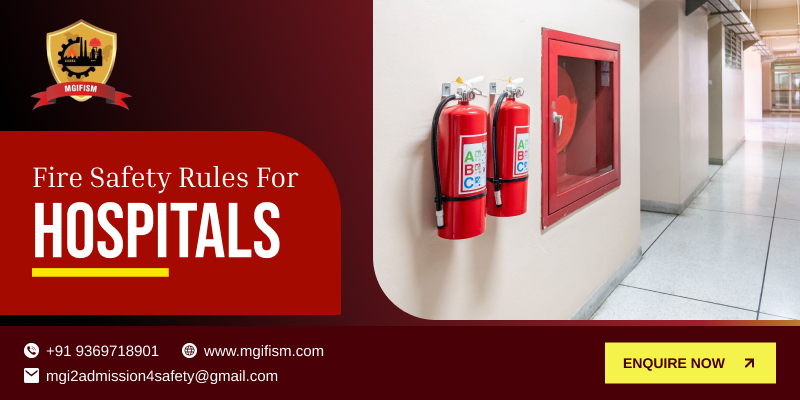
Appropriate fire extinguishers should be placed in accessible places and proper inspection carried out. Appropriate training of staff on the use of such firefighting equipment should also be provided. Firefighting equipment maintenance is important since this ensures that equipment is readily available when it is needed.
3. Maintain Clear Emergency Exits and Escape Routes
Ensure that the emergency exit points are not locked and function as per the approved safety plan. No bed, boxes, or machinery should be placed anywhere around the escape points in case of any fire hazard.
4. Install Fire Doors and Fire-Resistant Barriers
Properly installed fire doors can delay the process of spreading the fire and smoke. Ensure the proper functioning of the doors and fire-resistant barriers. Damage to any seal or opening in the barrier is easily identified through inspections.
5. Conduct Regular Electrical Safety Inspections
Deteriorated wiring, overloaded electrical plugs, and faulty electrical devices can become potential fire hazards. Scheduling inspections by competent personnel will eliminate these threats. Regular electrical safety inspections will reduce the chances of overheating and minimize fire hazards in the patient room and other departments in the hospital.
6. Store Medical Oxygen and Gas Cylinders Safely
Although medical oxygen is used for the well-being of patients, it is highly flammable. It makes fires more dangerous. Follow the medical oxygen safety procedure to safely store and use the gas cylinders.
7. Maintain Emergency Lighting and Exit Signage
Proper emergency lights help people move about in the corridors and stairs in case of any blackout. Make sure you check your backup lights and ensure that your exit signs are visible. Good emergency exit signs aid in helping staff and patients to find safe exits in case normal lights fail.
8. Keep Corridors, Staircases and Fire Access Areas Clear
Ensure that the passages in the hospital, which may be used as escape routes in cases of emergencies, are not blocked by beds, boxes, etc. The staircase passages and the access passages to the fire equipment should remain unobstructed.
9. Inspect Sprinklers, Hydrants and Fire Pumps
Fire sprinkler systems, hydrants, and pumps require tests and maintenance depending on the specifications required. Appoint the right personnel to conduct such tests. Maintenance of proper hospital fire safety systems plays an important role in fighting fires.
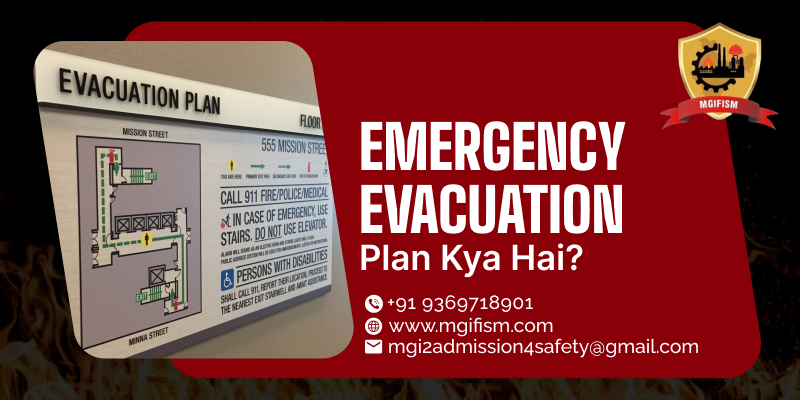
10. Prepare a Hospital Fire Emergency and Evacuation Plan
The hospital fire emergency plan needs to contain details about the process of raising an alarm, contacting the emergency team, moving patients, and assigning responsibilities. Consideration must also be taken of people who have difficulty moving around.
11. Train Hospital Staff and Conduct Fire Drills
Fire safety training should be carried out for the staff of the hospital. The training should entail alarm reporting and evacuation. The drills should be performed as per the requirements and in accordance with the hospital's safety program.
12. Maintain Fire Safety Records and Compliance Documents
Fire safety documentation should involve documentation for inspections, servicing of the fire safety equipment, training of the staff, and performing emergency drills. Faults and the corrective measures undertaken should be documented. Updated fire safety compliance documents assist the hospital management in keeping track of safety duties.
Fire Safety Requirements for High-Risk Hospital Areas
Some departments in the hospital require special attention because of their utilization of medical oxygen, electricity, chemicals, or heating sources. Hospital fire risk assessment can assist in the identification of potential risks in such departments and help to decide on appropriate precautions. It is important for these departments to have inspections and proper emergency plans.
Fire Safety Rules for ICUs, NICUs and PICUs
ICU fire safety requires functional alarms, safe use of electrical apparatuses, unobstructed escape routes and proper use of oxygen. It is important that ICU staff are familiar with the process of evacuation of critically ill patients. An adequate critical care evacuation protocol is essential.
Fire Prevention Measures in Operation Theatres
Fire safety in operation theatres involves effective control of ignition sources, electrical apparatuses and oxygen. It is crucial that staff members follow appropriate protocols and are aware of their roles in case of emergency. An appropriate surgical fire prevention protocol should be developed.
Fire Safety in Laboratories, Pharmacies and Medical Stores
Chemical storage, labelling and controlling sources of fire are some fire safety measures in laboratories. Materials should be stored appropriately and there should be clear exits in pharmacies. Fire safety measures in pharmacies also include equipment maintenance and personnel knowledge of fire hazards.
Fire Safety Rules for Hospital Kitchens, Laundries and Electrical Rooms
Some of the fire safety precautions in hospital kitchens include regular appliance maintenance, appropriate fuel management and correct cleaning processes. Heat and malfunctioning equipment can pose a risk in laundries. There should be controlled access, maintenance and overheating and damaged equipment should be reported in electrical rooms.
Hospital Fire Emergency Response and Evacuation Procedure
Hospital management must train the personnel on how to respond fast while ensuring that the patients requiring assistance are protected. Fire emergency response procedures help reduce confusion and assist in safe evacuation of all occupants.
- Raise the alarm
- Contact emergency services
- Protect patients
- Use safe routes
- Check attendance
Hospital Fire Safety Checklist for Daily, Monthly and Annual Inspections
Hospital fire safety checklist can be used to check whether equipment, escape routes, and safety processes are working well. The frequency of conducting an inspection should be determined by the rules set by the institution, guidelines from the manufacturer, and hospital risk assessment.
|
Inspection Frequency
|
Fire Safety Checklist
|
|
Daily
|
Check clear exits, accessible extinguishers, and visible hazards.
|
|
Monthly
|
Inspect alarms, emergency lighting, and equipment status as per schedule.
|
|
Periodic Servicing
|
Professional servicing for installed fire-fighting equipment.
|
|
Annual review
|
Review the emergency plan, staff training, and applicable approvals.
|
|
Corrective action
|
Record faults, assign responsibility, and confirm repairs.
|
How to Obtain a Fire NOC for a Hospital in India
Hospitals need to know the correct way of getting NOC for a hospital fire according to each state and locality. It is essential for hospitals to be sure of the proper way to apply before applying for any document.
- Check requirements
- Prepare documents
- Implement safety measures
- Submit application
- Conduct inspection
- Rectify deficiencies
- Monitor validity
Common Hospital Fire Safety Mistakes to Avoid
In the case of fire, small errors can make very big threats. Routine checking and awareness can help avoid hospital fire safety errors. It is necessary for management to conduct routine reviews of fire safety policies.
- Blocked exit points
- Neglected defects
- Unsafely wired equipment
- Incorrect oxygen storage
- Non-conducted drills
- Incomplete records
- Absence of training
Who Is Responsible for Fire Safety in a Hospital?
Hospitals have a joint responsibility for fire safety among the management team, safety personnel, facility team members, heads of departments, and staff members. Management needs to plan resources and address the requirements that are needed. The safety personnel need to organise the inspection, maintenance, and training programs, and at the same time the staff members should report any dangers and observe the emergency procedures.
Conclusion
Adhering to the guidelines of fire safety in hospitals would ensure the safety of the patients, employees, and other individuals associated with the organisation. Inspection, well-maintained equipment, training, and an evacuation procedure are some of the key factors in the safety of hospitals. It is important for the facilities to make sure that they have all the necessary approvals. MGIFISM, a fire safety institute, could be contacted at +91-9369718901.
FAQs
Q. What are the basic fire safety rules for hospitals?
A. Hospitals should maintain fire alarms, extinguishers, clear emergency exits, emergency lighting, safe electrical systems, staff training, and a proper evacuation plan.
Q. Is a fire NOC mandatory for hospitals in India?
A. Fire NOC requirements depend on applicable state laws, local regulations, and building conditions. Hospitals should confirm requirements with the relevant fire department.
Q. What fire safety equipment is required in a hospital?
A. Common equipment includes fire extinguishers, alarms, smoke detectors, emergency lighting, exit signs, and applicable sprinklers, hydrants, and fire pumps.
Q. How often should hospital fire safety drills be conducted?
A. Hospitals should conduct fire drills according to applicable regulations, safety guidelines, and their emergency plans, covering relevant staff and different shifts.
Q. What are the fire safety requirements for hospital ICUs?
A. ICUs need suitable alarms, maintained electrical equipment, clear evacuation routes, safe oxygen handling, and trained staff prepared to move patients during emergencies.
Q. What should hospital staff do during a fire emergency?
A. Staff should raise the alarm, contact emergency services, follow the evacuation plan, assist patients safely, and avoid entering dangerous areas.
Q. Who is responsible for hospital fire safety compliance?
A. Hospital management, fire safety officers, facility teams, department heads, and employees share responsibilities according to their assigned duties and applicable regulations.
Q. What is the role of the National Building Code in hospital fire safety?
A. The National Building Code provides technical provisions for building fire protection, emergency exits, detection systems, firefighting equipment, and life safety.
Q. How can hospitals prepare for fire safety inspections?
A. Hospitals should check equipment, clear exits, update required documents, review maintenance records, train staff, and resolve identified safety issues before inspections.
Q. What are the consequences of not following hospital fire safety rules?
A. Non-compliance may lead to fire risks, injuries, penalties, legal action, or restrictions on operations, depending on applicable laws and the severity of violations.




 Request a Callback
 Call Us
 WhatsApp