Fire Safety Checklist for Factories | Essential Safety Measures Every Industry Must
Post By : Rajani Verma
Post Date : 31 Oct 2026
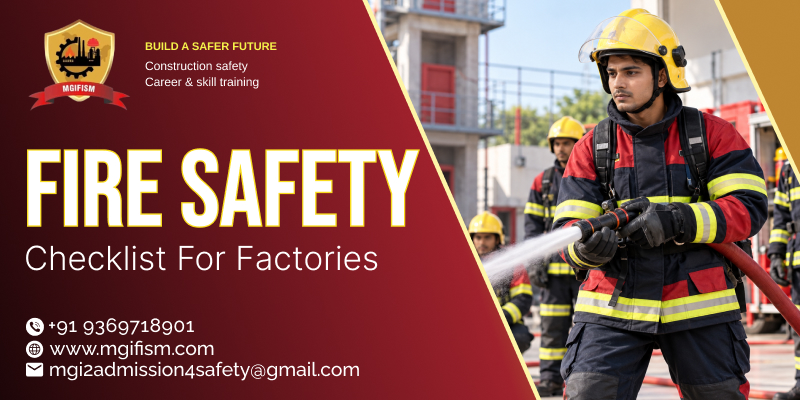
Fire Safety Checklist for Factories
Fire safety is one of the most significant considerations in the operation of a factory. All industries employ electrical machines, chemicals, fuel, gas cylinders, and other components that may cause fire accidents in case they are not handled carefully. A simple oversight, such as faulty wiring or the improper storage of flammable components, can result in severe loss of property and life to the workers, equipment, and the factory premises. The use of Fire Safety Checklist for Factories will help identify potential hazards and take necessary precautions in time. It is essential for every factory to review fire safety systems on a regular basis.
Why Is a Fire Safety Checklist Important for Factories?
A factory has several working zones that include machines, electrical appliances, and storage areas that have fire hazards. Regular inspections will help to uncover any potential threats in order to prevent fires from happening. A well-designed Factory Fire Safety Checklist will also be helpful for management to ensure that all firefighting appliances function properly and emergency exits are accessible. This will not only ensure that the employees are safe but also minimize chances of property damage.
Complete Fire Safety Checklist for Factories
Every fire safety inspection must include every major part of the factory, such as the production areas, storage areas, and electrical areas. It would be wrong for factory managers to rely entirely on firefighting equipment. There must be proper measures to prevent fires in the first place. The following fire safety inspection checklist for factories must be included in the factory checklist. Every inspection must be documented for further action.
Fire Extinguisher Inspection and Maintenance
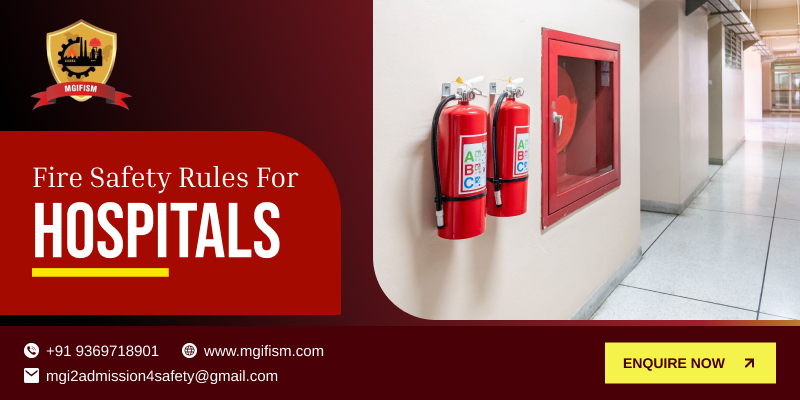
Fire extinguishers must be stationed in proper places where employees can access them without difficulty. The pressure gauge, seals, operating procedures, and expiry dates must be checked. The fire extinguisher must be compatible with the potential risks of fire. For example, if there are electrical hazards, the fire extinguisher will be used to douse any fire emanating from electrical equipment. Regular fire extinguisher inspection ensures that equipment is ready for use when required.
Fire Alarm and Smoke Detection System
The functioning of the alarm system warns the employees about the danger and also assists them in evacuating to safety. Examine the smoke detectors, heat detectors, manual call points, and alarm panels. Ensure that testing of the alarm system is done according to the manufacturer’s standards, and in addition ensure that alarms can be heard in all the work locations. Maintenance of a fire alarm system and a smoke detection system can prevent delays in emergencies.
Fire Hydrant and Sprinkler System Inspection
The fire hydrants, hose reels, and the sprinkler system should always be in working condition. The inspection will involve checking water pressure, pump operation, control valves, hoses, and sprinklers. It should be ensured that fire water tanks are filled with the required amount of water. Moreover, access to fire hydrants should not be restricted. Inspecting the fire hydrant system inspection and sprinkler system maintenance regularly ensures that firefighting procedures are properly executed.
Electrical Fire Safety Checklist
Electrical faults commonly cause fires in the factory environment. The inspection will include checking of the wiring, switches, distribution board, plugs, and electrical panel. The circuit should not be overloaded and the electrical room should be dry and clean. Only authorized personnel should repair the electrical appliances. Conducting electrical safety inspections and electrical fire prevention for electrical equipment can prevent the occurrence of short circuits.
Emergency Exits and Evacuation Routes
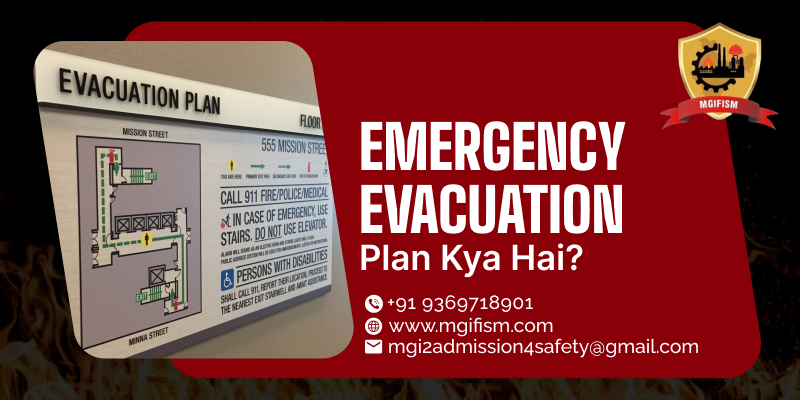
A factory should always have adequate and marked emergency exits. Do not store any materials on stairs, doors, passages and corridors inside the factory premises. Ensure that all the emergency exit doors function properly and emergency lighting is operational. Place evacuation charts at strategic positions. A proper factory evacuation plan and appropriate emergency exit routes facilitate employee evacuation during a fire accident.
Safe Storage of Flammable and Hazardous Materials
Flammable substances like oils, chemicals, paints, solvents and gas cylinders need to be stored properly. Flammable goods should not be placed near any source of heat and fire. They should not be exposed to any other ignition sources either. Appropriate containers, labelling, and ventilation should be used when storing flammable goods. The practice of safe storage and fire safety with flammables helps avoid accidental fires in warehouses and factories.
Factory Housekeeping and Fire Prevention
Housekeeping has significant importance in mitigating fire hazards. Clear waste paper, packing material, oily rags, and other flammable objects from the work area. Don’t allow accumulation of dust or waste near the machine, electrical panel and heating devices. Factory housekeeping and fire prevention contribute towards maintaining cleanliness and safety in the industrial environment.
Fire Safety in Machinery and Production Areas
Heat generation, sparking and friction can be produced through machinery employed in the factory. Check them on a regular basis for overheating, oil leakage, cable damage and abnormal noise. Perform machinery maintenance according to schedule and turn off machines when they are not required. Keep combustible substances away from heated components. Machinery fire safety and preventive maintenance contribute towards minimizing fire hazards in production departments.
Hot Work Safety and Welding Precautions
Hot work such as welding, cutting and grinding can cause sparking which can result in the ignition of nearby material. Perform this task in designated areas or by issuing a suitable permit for hot work. Clear flammable substances from the area, keep appropriate fire extinguishers close to the work site and designate an experienced individual to oversee the process.
Fire Safety Signage and Emergency Information
Fire safety signs should be easy to interpret and visible from appropriate distances. Signage for extinguishers, hydrants, emergency exits, gathering points, and restricted areas should be displayed. Fire safety signages will enable employees to know where they have to be in case of any emergencies and what actions to take in such instances.
Fire Safety Training and Emergency Preparedness in Factories
The mere presence of firefighting equipment will not make any difference if the employees are unaware of what to do in such situations. Basic fire prevention training should be given to factory workers. The factory should have some selected employees who can use the available firefighting equipment properly. It would be better if factory management performs mock fire drills to assess the speed of their response. Fire safety training for the employees and a proper industrial emergency plan will ensure that there is no confusion among them in case of fire accidents.
Fire Safety Inspection Schedule for Factories
Fire safety inspections should form an integral part of the maintenance program for the factory. Depending on the condition, risk factor, manufacturer's guidelines, and regulations that govern the specific equipment and work area, an appropriate time period must be chosen to perform the inspection. Keeping a documented schedule of inspections ensures that management is aware of all the tasks that are due as well as recurring issues. It is essential to delegate the task to competent individuals and document each inspection.
- Daily inspection
- Weekly inspection
- Monthly inspection
- Routine servicing
- Yearly evaluation
Fire Safety Rules and Compliance Requirements for Factories in India
The safety standards required for factories in India include those relevant to the industry type, nature of construction, activities carried out, and the geographical location of the factory. The fire safety regulations for factories not only cover the installation of extinguishers but extend to safe construction, emergency plans, maintenance of the equipment, and training of the workers.
- Occupational Safety, Health and Working Conditions Code, 2020
- National Building Code of India (NBC)
- State Fire Service Rules
- Fire NOC and Approvals
- Safety Standards and Equipment
Common Fire Safety Mistakes Factories Should Avoid
Factories that have firefighting tools are not immune to threats if basic safety measures are not implemented. Many of the minor issues are easily overlooked due to late inspections or lack of employee training. It is important for management to analyze day-to-day operations and address the safety concerns once they are noticed. Failure to recognize the most frequent factory fire safety mistakes and adherence to the right factory fire prevention techniques will be significant in ensuring safety at work.
- Blocked emergency exits
- Outdated fire extinguishers
- Inadequate electrical safety
- Improper chemical storage
- No employee training
- Neglecting fire drills
- Not reviewing inspection results
Conclusion: Make Fire Safety a ifismPriority in Every Factory
Fire safety is one of the routine tasks for all factory owners, managers, and employees. Proper inspection, equipment maintenance, storage of materials in a safe manner, and training of employees can avoid several work-related fires. Going through the comprehensive Fire Safety Checklist for Factories will further aid industries to assess the areas where they lack and make better arrangements for emergencies. It is recommended that businesses evaluate their practices and seek professional advice when needed. MGIFISM highlights the importance of fire safety awareness in industries. Fire Safety Awareness Training in Industries is the core concept of MGIFISM. For further information, you can reach us at +91-9506666255.
FAQs
Q. What should be included in a fire safety checklist for factories?
A. A factory fire safety checklist should include fire extinguishers, alarm systems, electrical inspections, emergency exits, hydrants, sprinkler systems, flammable material storage and employee safety training.
Q. How often should fire safety inspections be conducted in factories?
A. Basic fire safety checks should be conducted daily or weekly, depending on the area and risk. Equipment should also receive periodic professional inspection and servicing.
Q. What are the common causes of fire in factories?
A. Common causes include electrical short circuits, overheating machinery, welding sparks, gas leakage, improper chemical storage and careless handling of flammable materials.
Q. Which fire extinguishers are suitable for factories?
A. The suitable extinguisher depends on the fire risk. ABC dry powder, CO2, foam and other specialised extinguishers may be required for different materials and equipment.
Q. How can factories prevent electrical fire accidents?
A. Factories can prevent electrical fires through regular wiring inspections, proper earthing, circuit protection, avoiding overloaded circuits and timely maintenance of electrical panels.
Q. Is fire safety training necessary for factory employees?
A. Yes, fire safety training helps employees identify hazards, use suitable firefighting equipment, understand emergency exits and follow evacuation procedures during fire accidents.
Q. Is a Fire NOC mandatory for factories in India?
A. Fire NOC requirements depend on applicable state fire laws, building regulations, factory type and local authority rules. Factory owners should confirm requirements with the concerned fire department.
Q. Why are fire evacuation drills important in factories?
A. Fire evacuation drills help employees understand emergency routes, assembly points and safety procedures. They also help management identify problems in the emergency response plan.
Q. How should flammable materials be stored in factories?
A. Flammable materials should be stored in approved containers and designated areas, away from heat, sparks and open flames, with suitable ventilation and safety labels.
Q. How does MGIFISM help improve factory fire safety awareness?
A. MGIFISM promotes fire safety education and awareness through relevant training and guidance. For information about fire safety training, contact MGIFISM at +91-9506668901.



 Request a Callback
 Call Us
 WhatsApp