
Portfolio Excellence
Awarded to students with outstanding creative & technical portfolios.
Construction activities have many kinds of risks, such as high-risk construction, use of heavy machinery, electrical work, excavation, and risks related to fire hazards. These risks can cause major accidents and injuries if not detected in a timely manner. Construction Risk Assessment Course provides learners with information about how to detect workplace hazards, how to measure risks, and how to take appropriate measures for safety. MGIFISM, which is a fire safety institute, provides learners with information about workplace safety and risk prevention. For course queries, please contact +91-9369718901.
Construction Risk Assessment Course is an educational program designed to equip learners with knowledge on how to spot potential risks that exist within construction environments, in order to minimize the possibility of occurrence of accidents. The training involves different forms of workplace risks, risk assessment methodologies, and risk management strategies. The skills acquired from the Construction Risk Assessment Training include identifying risks, preparing risk assessment documents and adhering to safe practices when doing the job. This knowledge is useful for construction workers, engineers, supervisors and safety professionals who are responsible for maintaining a safe working environment.
In construction sites, various operations occur, and each operation can pose danger to those undertaking it and other parties involved. Risk assessment will help recognize these hazards so that appropriate action is taken to ensure they do not cause any harm. It will also aid in planning the operations in a safe manner and choosing the right preventive actions. The Construction Risk Management course will explain how to manage risks in the workplace, improve safety procedures and minimize accidents.
This training includes key concepts concerning construction site safety and hazard and risk identification. Trainees acquire knowledge regarding proper assessment of work tasks and their safety measures. Below is the table summarizing key areas of knowledge learned in Construction Risk Assessment Training.
|
Training topics |
What you will learn |
|
Introduction to Risk Assessment |
Basic concepts, importance and purpose of workplace risk assessment. |
|
Hazard Identification |
How to identify possible dangers at construction sites. |
|
Risk Evaluation |
How to evaluate the probability and consequences of work hazards. |
|
Measures to Control Risk |
Hazard elimination or hazard reduction methods. |
|
HIRA |
A Hazard Identification and Risk Assessment process. |
|
Risk Assessment Matrix |
The method of calculating risk level and categorizing them. |
|
Safety Documentation |
Creation of risk assessment reports and documentation. |
|
Site Safety Inspection |
Checking work areas and identifying unsafe conditions. |
|
Emergency Preparedness |
Understanding emergency risks and basic preventive planning. |
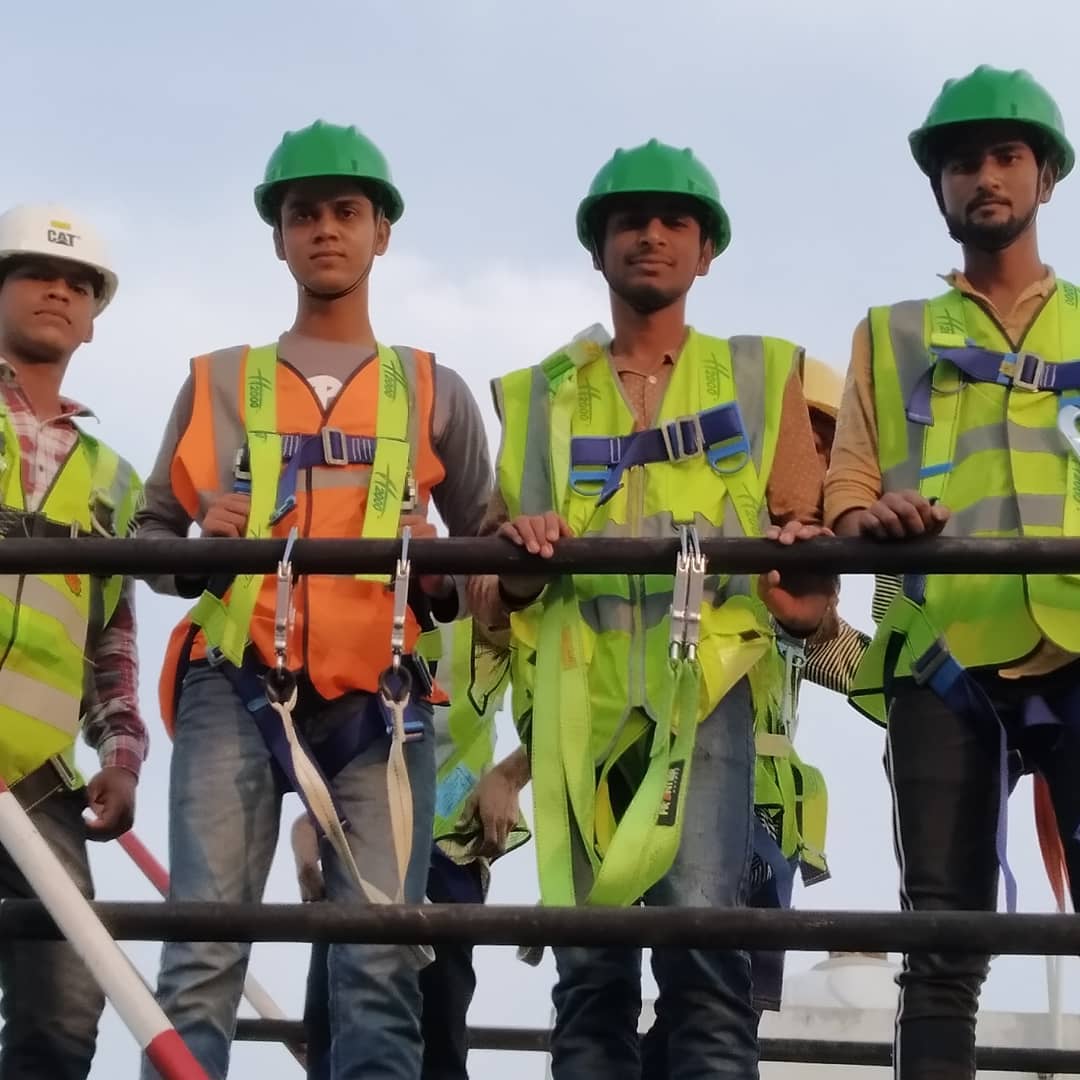
There are many hazards that arise in construction sites since workers undertake various tasks using various equipment and tools. Knowledge about such hazards is an important component of workplace safety. As part of the Construction Risk Assessment Course, trainees get to know some of the hazards and how to avoid accidents at the workplace. Some of the hazards include:
|
Construction hazards |
Possible risks |
|
Working at Height |
Falls from ladders, roofs, platforms and scaffolding. |
|
Excavation and Trenching |
Soil collapse, falling materials and underground utility damage. |
|
Electrical Hazards |
Electric shocks, short circuits and fire incidents. |
|
Scaffolding Hazards |
Falls, unstable platforms and falling objects. |
|
Lifting Operations |
Crane accidents, falling loads and equipment failure. |
|
Fire and Hot Work |
Burns, fire outbreaks and explosions. |
|
Confined Spaces |
Oxygen deficiency, harmful gases and restricted movement. |
|
Vehicle Movement |
Workers being struck by moving vehicles or machinery. |
|
Material Handling |
Back injuries, muscle strain and falling materials. |
Several approaches are utilized when identifying and assessing risks on construction sites. Such tools allow safety specialists to determine which activities are risky and how they should be managed. This course acquaints students with several approaches for risk assessment so that they can make sound safety decisions. Several such approaches are discussed below.
Job Safety Analysis is a way to analyze a specific job by breaking it down into smaller tasks. Each individual task is then assessed for potential hazards and appropriate safety precautions. JSA is used so that both employees and employers can be aware of any risks before doing the work.
HIRA is an acronym for hazard identification and risk assessment. The process entails identifying potential hazards in the workplace, the individuals that are affected by the hazards, and the degree of risk involved. HIRA helps safety officers determine the appropriate measures to take to prevent accidents.
The risk assessment matrix is one of the devices that helps analyze and categorize workplace hazards. Risk assessment matrices usually look at two aspects. The first one is the probability of occurrence of the event, while the second one is the severity of its impacts. Based on this, safety teams can define the levels of risk.
What-if analysis is an easy tool that can be used to generate problems through a questioning process in different working environments. For instance, how would you handle a situation where a crane is not working or even if someone falls from a scaffold?
FMEA refers to an organized approach to analyzing the way machinery or a system can possibly fail, and what impact the failure will have. The tool enables the safety team to evaluate the risks associated with the potential failure of equipment or process and devise measures to prevent the risk from arising.
The qualitative risk assessment makes use of descriptors like low, medium, and high in order to comprehend the risks at the workplace. On the other hand, quantitative risk assessment makes use of numeric values and data in order to determine the level of risk.
Construction site risk assessment is done by following a particular process, whose primary objective is identification of possible risks and measures for prevention of accidents. Having such a process makes it easier for employees and employers to address occupational safety issues.
This training module would be beneficial for those who are employed in the construction sector or wish to build up their knowledge regarding workplace safety. It would be ideal not only for professionals but also for those who wish to pursue a career in health and safety. The construction risk assessment training would benefit the following persons.
Training is important because it enables the learner to use safety knowledge in real-life situations in the workplace. It instills skills that involve hazard identification, risk analysis and selection of appropriate control measures. The following skills will be developed through Construction Risk Assessment Training:
The syllabus usually starts with the fundamental knowledge of construction safety and then goes on to more practical risk assessment techniques. It enables learners to recognize the hazards, assess the risks, and document safety issues. The below-mentioned table offers a sample module-by-module format of the course.
|
Modules |
Topics covered |
|
Module 1 |
Introduction to Construction Safety and Risk Assessment |
|
Module 2 |
Types of Construction Hazards and Hazard Identification |
|
Module 3 |
HIRA and Job Safety Analysis (JSA) |
|
Module 4 |
Risk Assessment Matrix and Risk Evaluation |
|
Module 5 |
Hierarchy of Risk Control Measures |
|
Module 6 |
Construction Equipment and Machinery Safety |
|
Module 7 |
Working at Height, Excavation and Electrical Safety |
|
Module 8 |
Risk Assessment Reports and Safety Documentation |
|
Module 9 |
Site Inspection and Practical Risk Assessment |
|
Module 10 |
Risk Monitoring, Review and Emergency Preparedness |
The length of the course and the eligibility for taking the course will vary depending on the training program provided by the institute. Various individuals with diverse educational and professional backgrounds may be interested in the course in construction safety. Students need to verify the course information with the institute.
|
Course details |
Information |
|
Course name |
Construction Risk Assessment Course |
|
Eligibility |
As per the institute's course requirements |
|
Educational background |
Relevant educational or professional knowledge may be helpful |
|
Course duration |
Confirm with the institute |
|
Training mode |
Confirm online or classroom availability |
|
Assessment |
As per the course structure |
|
Certification |
Subject to successful completion and the institute's certification policy |
|
Enquiry contact |
+91-9369718901 |
Obtaining a Construction Risk Management Certification may be one of the ways to prove your competence in risk assessment in the workplace. But before you take the course and obtain the certificate, ensure first that the certification is reputable and valid.
Having knowledge about risk assessments in construction can be used for professional growth in both construction and workplace safety fields. Many organizations require individuals who have knowledge about hazards in the workplace and assist in maintaining a safe environment for work. With the acquisition of adequate knowledge and experience, individuals can pursue these careers:
Job availability will, however, depend on the qualifications of the individual.
Construction risk assessment course fee varies depending on various considerations, such as duration of course, mode of training, syllabus, practical classes and certification process. Various institutes have their own fee structures for the type of training that they offer. Learners are supposed to weigh the contents of the courses and facilities offered by various institutions before making their choice. Candidates who want to enroll in the Construction Risk Assessment course at MGIFISM are advised to contact the institution for current fees for the course and other relevant information.
Online learning is a good alternative for those seeking to improve their construction risk assessment skills without compromising on their professional activities or academic pursuits. A Construction Risk Assessment Course Online would assist students in understanding the process of risk identification, risk assessment, safety records and preventive measures from the comfort of their choice. Before enrolling in an online course, it is important to examine the syllabus, the trainers, the learning materials and the method of assessment. It is important to verify whether the course involves hands-on practice or case studies.
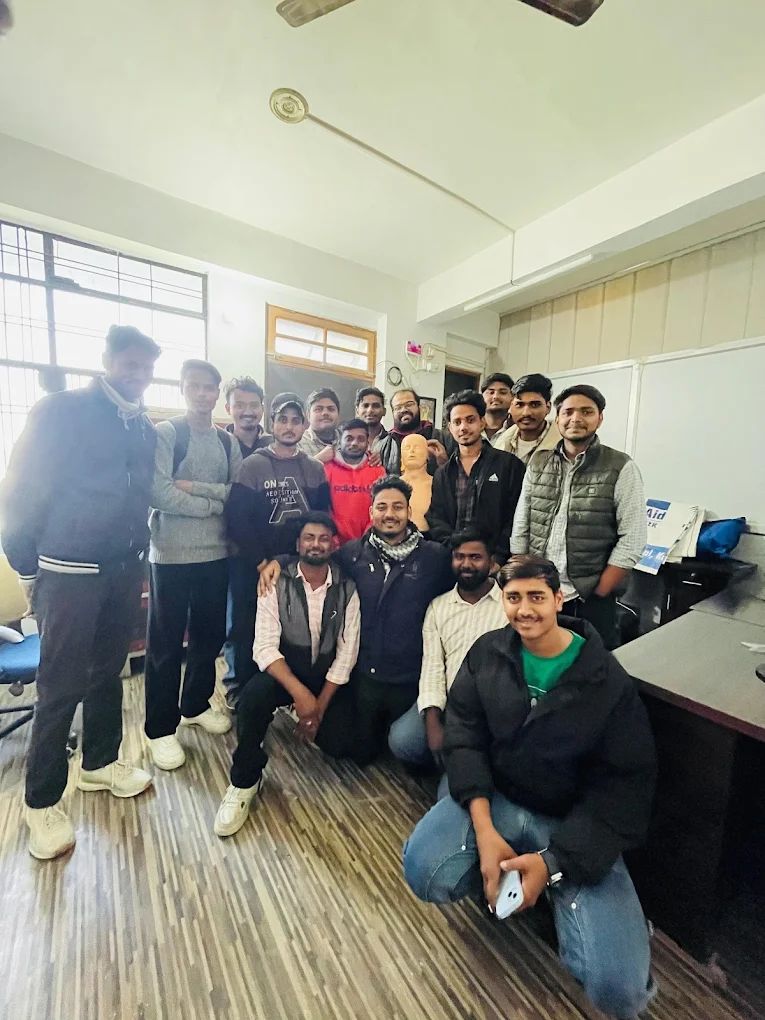
Selection of a proper training institute is essential while studying on safety issues within the construction sector. MGIFISM is a fire safety institute where interested learners can inquire about safety training courses and options. Before enrollment, candidates must know about the course curriculum and the kind of learning support available. Below are the justifications for choosing MGIFISM:
Having knowledge about construction safety plays a vital role in avoiding any accident that may occur during the work and ensuring safety for all the individuals associated with the construction project. The skills of hazard recognition, risk assessment, and implementation of appropriate control measures can make you feel more confident about safety roles. If you want to enhance your knowledge regarding safety at construction sites, you should contact MGIFISM to learn about the Construction Risk Assessment Course and training opportunities. For getting all the information about the syllabus, fees, time period, and certificate, please call MGIFISM at +91-9369718901.
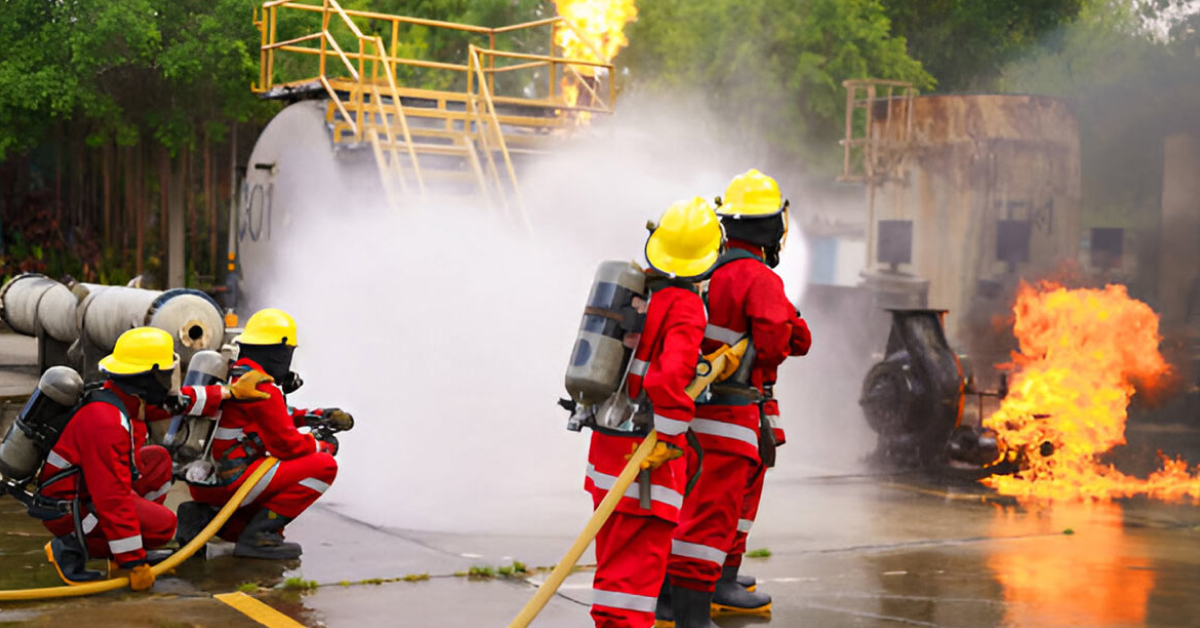
We offer: M.Sc Fire & Safety M.Tech Fire & Safety MBA Fire & Safety Management M.Voc Occupational Safety These programs are designed for students who want leadership roles in safety management, consultancy, and international c...
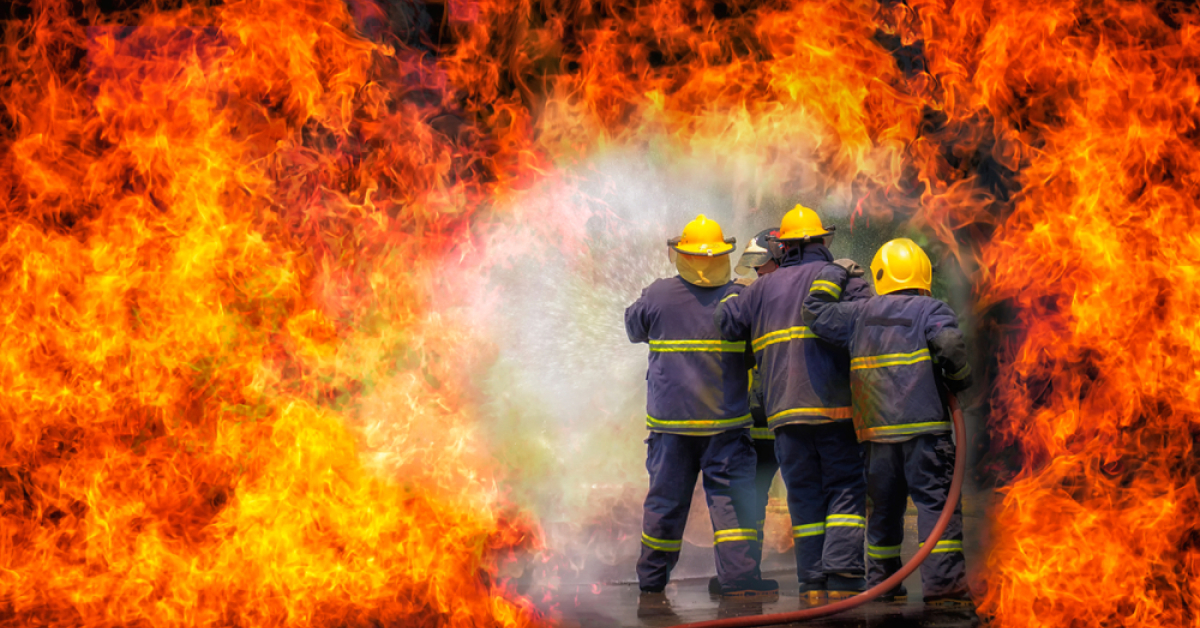
We Offer: B.Sc Fire & Safety B.Sc Occupational Health & Safety (OHS) B.Voc Programs B.Tech Programs These courses build a strong academic and practical foundation for long-term career growth....
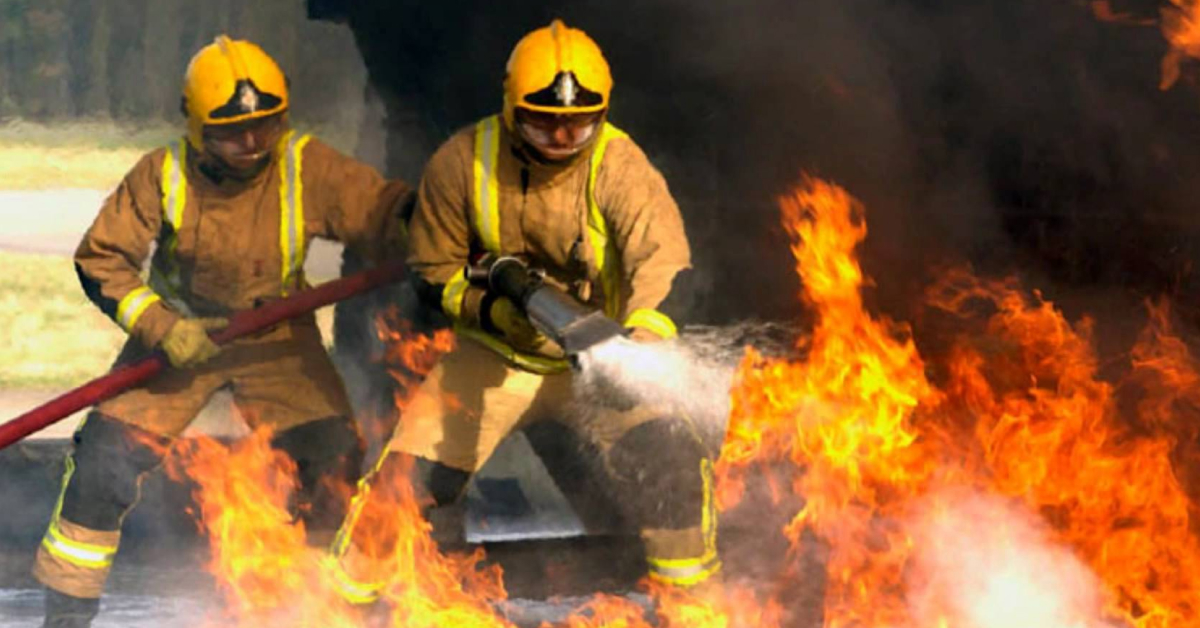
Engineering Diploma in Fire Safety ADIS (Advanced Diploma in Industrial Safety) Diploma in Health, Safety & Environment Diploma in Fire Safety PG Diploma in Fire & Safety Construction Safety Diploma These are among the most popul...
Certificate in Fire Safety Certificate in HSE Certificate in Fire Technology Short-term BSS Certifications Perfect for beginners or professionals looking to upgrade skills quickly....
IOSH Managing Safely OSHA Construction Safety First Aid Certification Risk Assessment Accident Investigation Work at Height Safety Confined Space Safety Scaffolding & Rigging Safety Fire Safety Awareness These short-term progra...
Expert Trainers
Happy Students
Total Courses
ACS is an initiative by the team of ex-Niftians, alumni’s and experienced professors...
At MGIFSM, we offer some of the best diploma and degree courses in Fire and Industrial Safety Management and HSE. Our curriculum is carefully designed to meet current industry standards and global safety requirements. We ensure that our students are not just academically strong but also industry-ready. The course structure includes a perfect balance of theory and practical learning, enabling students to understand both concepts and their real-life applications. Our programs are continuously updated to match the latest safety regulations, technologies, and practices followed in industries such as oil & gas, construction, manufacturing, power plants, and more.
Show More
Safety is not just a subject—it is a responsibility. At MGIFSM, we emphasize Health, Safety, and Environment (HSE) as a core part of our training. Students learn: Workplace hazard ,identification, Risk assessment and management, Environmental protection techniques, Occupational health standards, Emergency response planning, This comprehensive approach ensures that our students become responsible professionals who can maintain safety standards and protect lives in any working environment.
Show More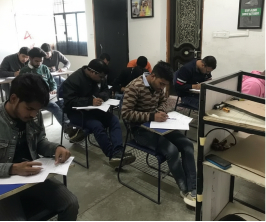
Every student is unique, and so is their learning journey. At MGIFSM, we follow a personalized training model: Individual student assessment (SWOT analysis), Customized learning strategies, Tailored study plans, Continuous monitoring and feedback. This approach ensures that each student receives the support they need to overcome weaknesses and enhance their strengths.
Show More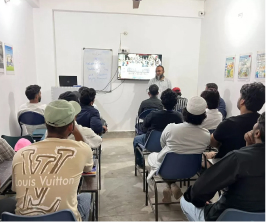
Our faculty members are highly qualified, experienced, and dedicated to student success. They bring real-world industry experience into the classroom, making learning more practical and engaging. They don’t just teach—they mentor, guide, and inspire students to achieve their goals. Regular doubt-clearing sessions, one-on-one mentoring, and interactive teaching methods make learning effective and enjoyable.
Show More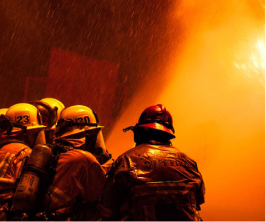
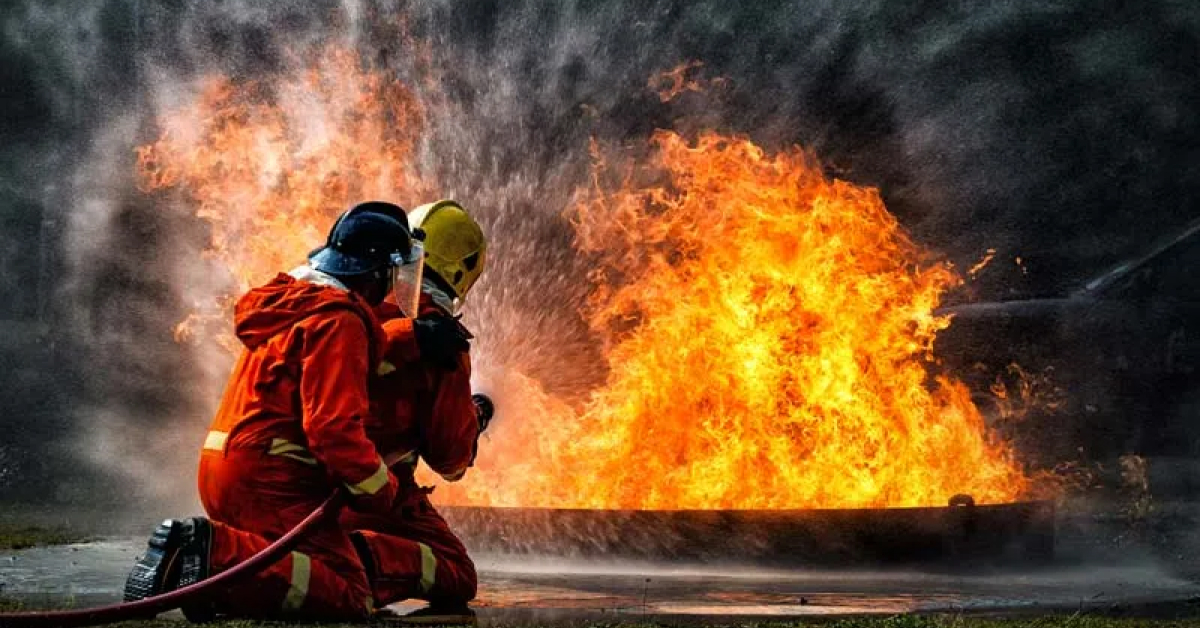
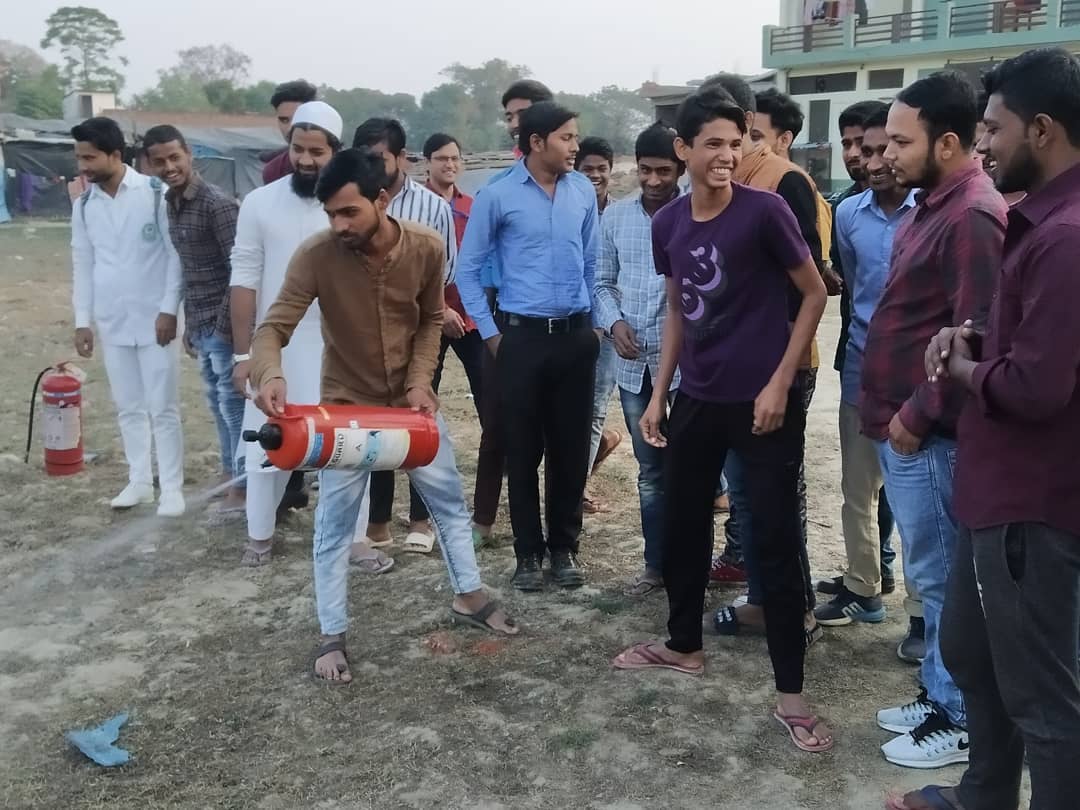
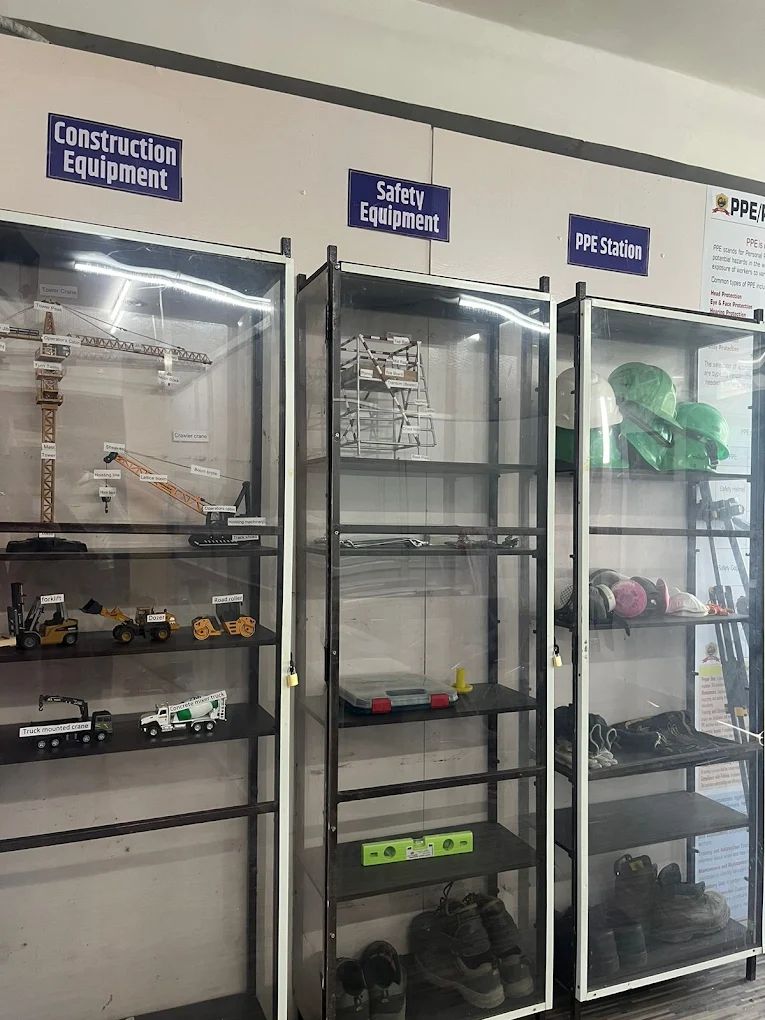
At MGIFSM, we believe that practical knowledge is the key to success in safety management. That’s why we focus heavily on hands-on training. Students get exposure to: Firefighting equipment and techniques, Safety drills and mock exercises, Industrial safety tools and practices, Emergency response simulations. This real-world training helps students build confidence and prepares them to handle critical situations effectively.
Show More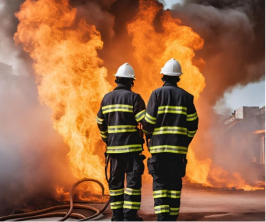
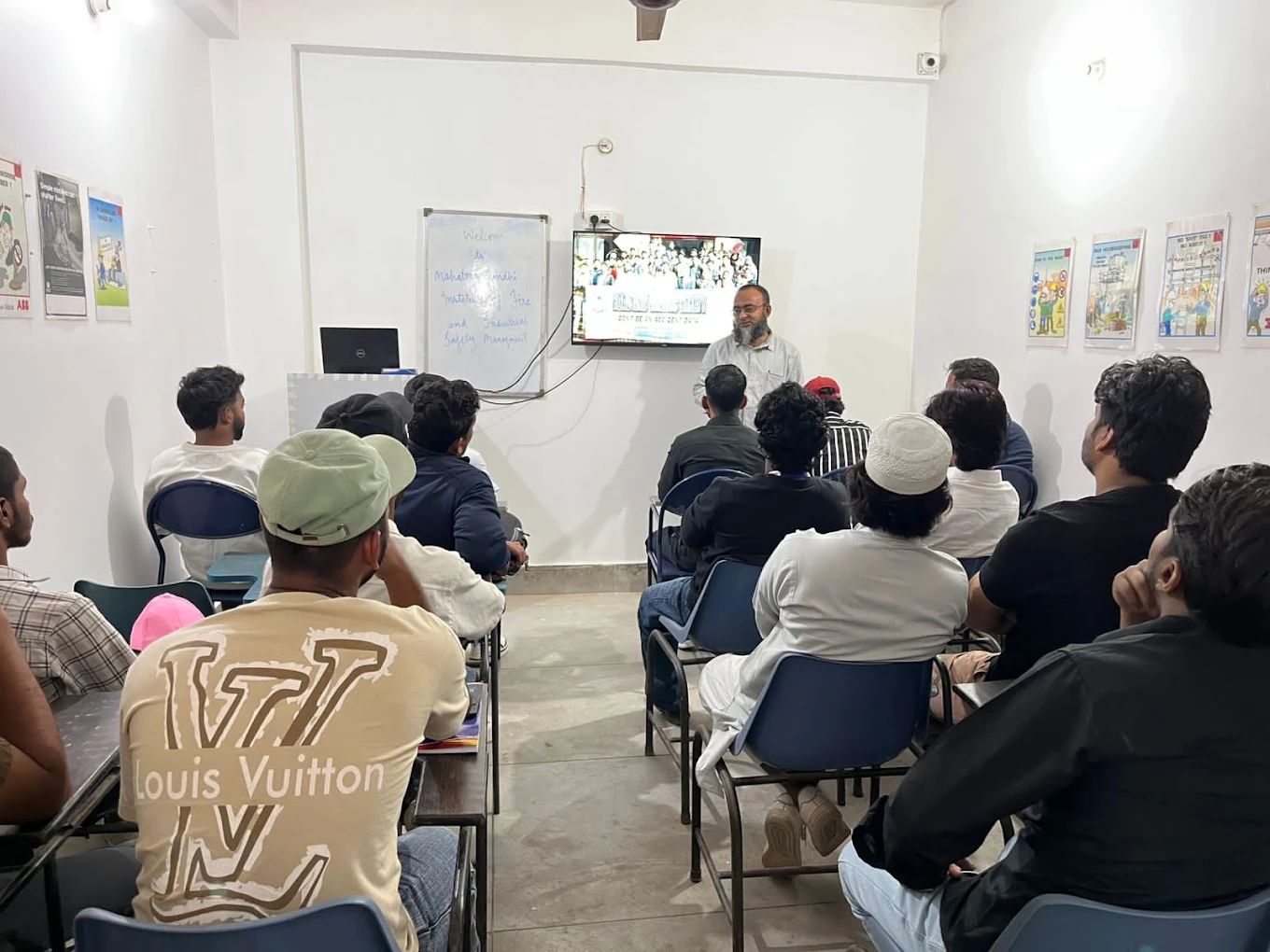
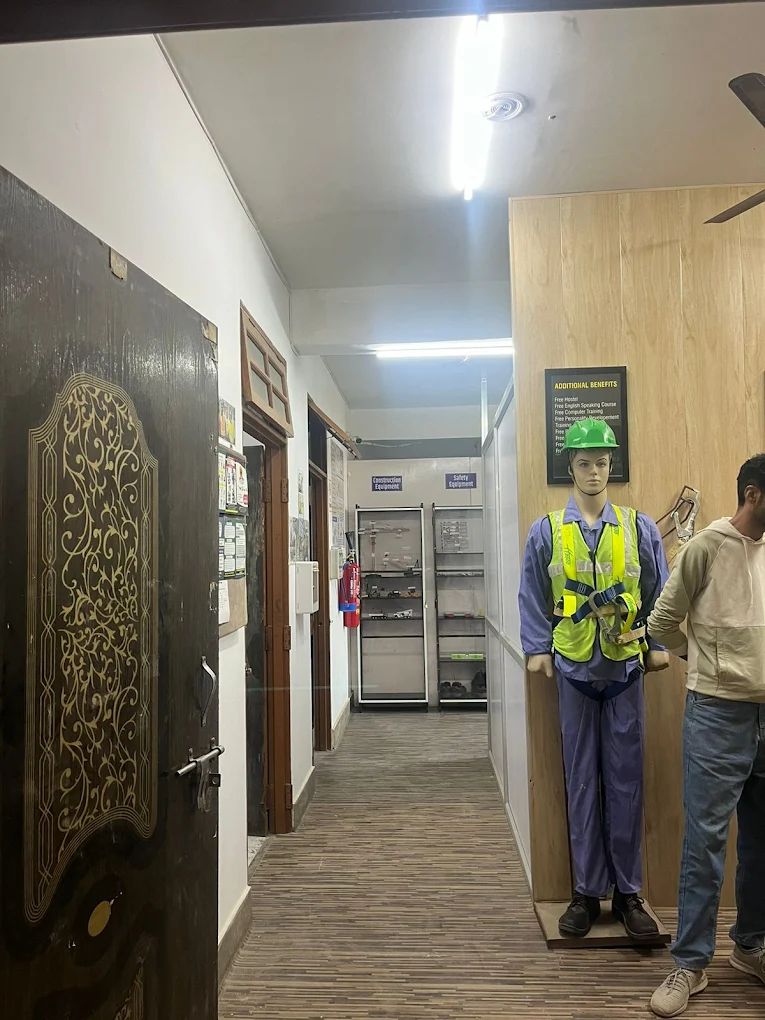
We provide a well-equipped learning environment with modern infrastructure, including: Practical training labs, Safety equipment, Audio-visual classrooms, Updated study materials. Our facilities are designed to create a professional learning atmosphere where students can focus, learn, and grow.
Show More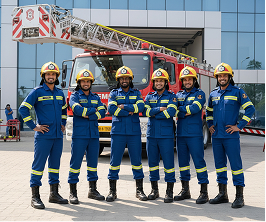
Our commitment doesn’t end with education—it extends to your career. MGIFSM provides strong placement assistance and career guidance. We help students with: Resume building, Interview preparation, Job opportunities in safety sectors, Industry connections. Our goal is to ensure that every student gets the opportunity to start a successful career.
Show More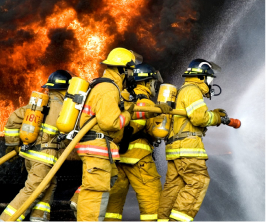
Fire and Industrial Safety professionals are in high demand across various industries, including: Oil & Gas, Construction, Manufacturing, Power Plants, Chemical Industries, By choosing MGIFSM, you step into a career path that offers stability, growth, and global opportunities.
Show More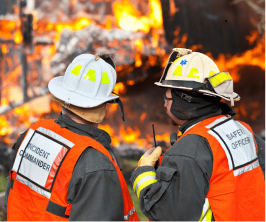
Apart from technical knowledge, we focus on: Communication skills, Personality development, Leadership qualities, Confidence building. This ensures that our students are not only skilled professionals but also confident individuals ready to face real-world challenges.
Show More
Awarded to students with outstanding creative & technical portfolios.

Recognised for creativity in architectural drafting competitions.

Awarded for excellence in national-level design portfolio competitions.
ACS is an initiative by the team of ex-Niftians, alumni’s and experienced professors...
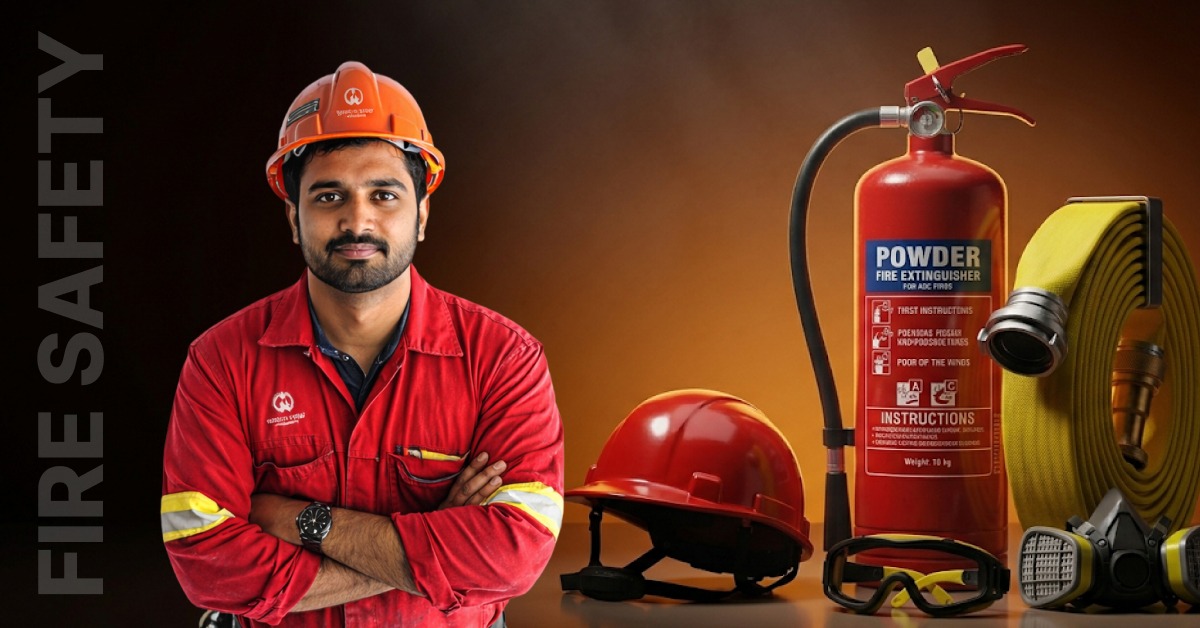
Our ultimate goal is your success. With strong training and industry-oriented skills, students are prepared for job opportunities in fire safety, industrial safety, and related sectors.
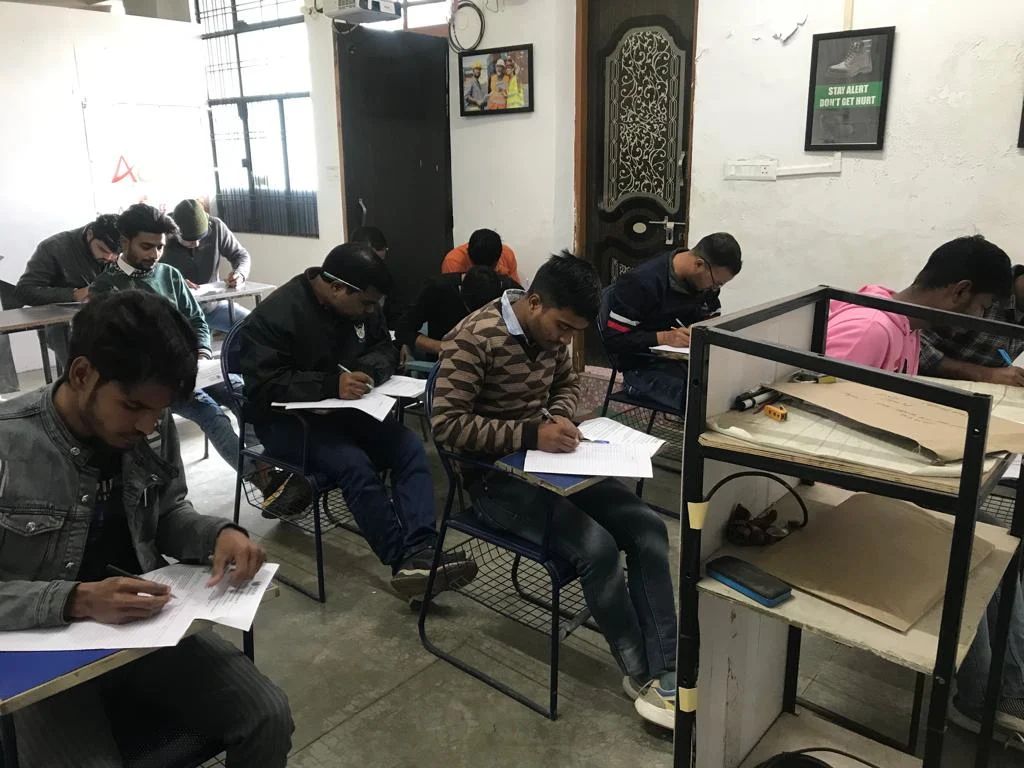
Students are evaluated through a comprehensive assessment system that includes: Written Tests, Practical Exams, Viva (Oral Examination), Projects, Presentations. This ensures complete preparation for real-world challenges.
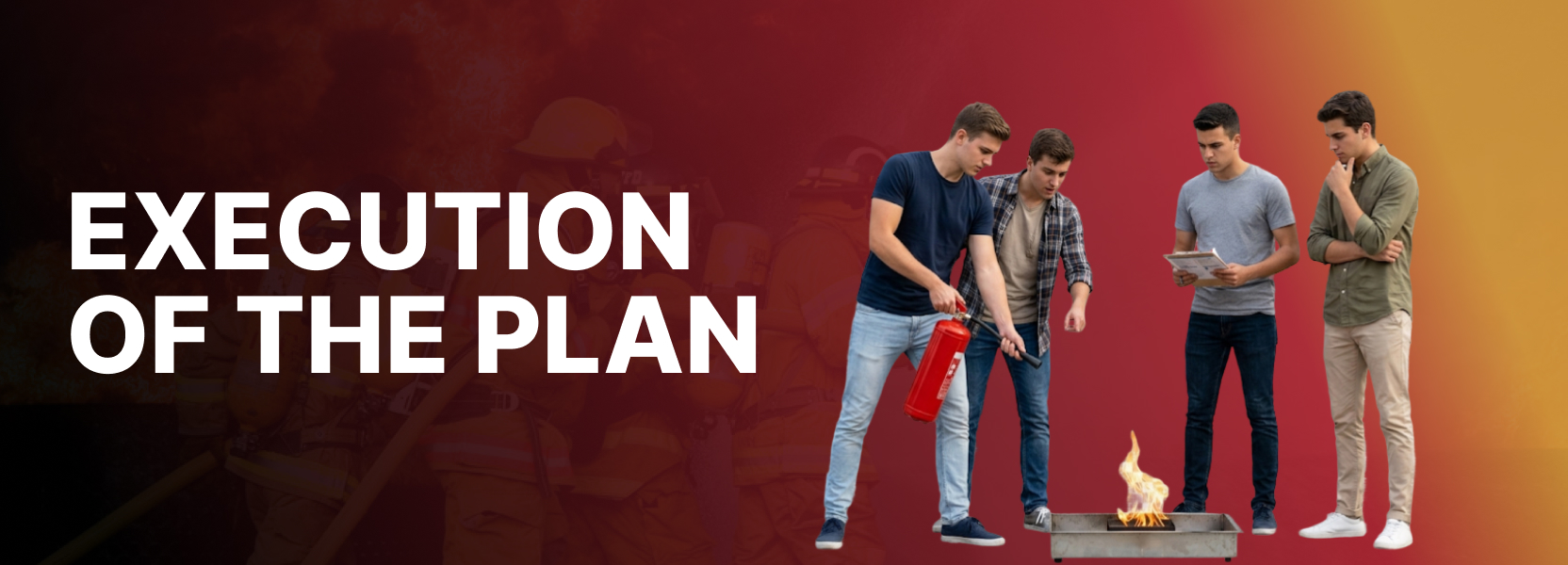
Our experienced trainers implement the plan through structured classes, hands-on practical sessions, real-life simulations, and continuous mentoring.
Every student receives a personalized training plan, which includes theoretical learning, practical exposure, and soft skill development to ensure overall growth.

We design a customized strategy for each student, focusing on skill enhancement, technical knowledge, and confidence-building to meet industry standards.

Students are grouped according to their learning level and capabilities. This allows us to provide focused training, ensuring no student is left behind and everyone progresses effectively.

Your journey begins with a smooth and transparent admission process. Our counselors help you understand course options, career scope, and guide you in choosing the right program based on your interests and goals.

We conduct a detailed SWOT Analysis (Strengths, Weaknesses, Opportunities, and Threats) to understand each student better. This helps us create a strong foundation for personalized learning and career planning.
Our expert team evaluates each student’s academic background, skills, personality traits, and areas of improvement to ensure the right training approach is adopted.

Excellent Services for specialized Safety profession and I would like to recommended to take a courses in MGIFISM.

It's brain child of a specialized Safety profession and highly recommended to take a courses in MGIFISM

Leave your details and our training consultant will get back to you

 Request a Callback
 Call Us
 WhatsApp